Новости
Serenity and beauty collide in sword-surfing game Sword of the Sea
B
Brian Crecente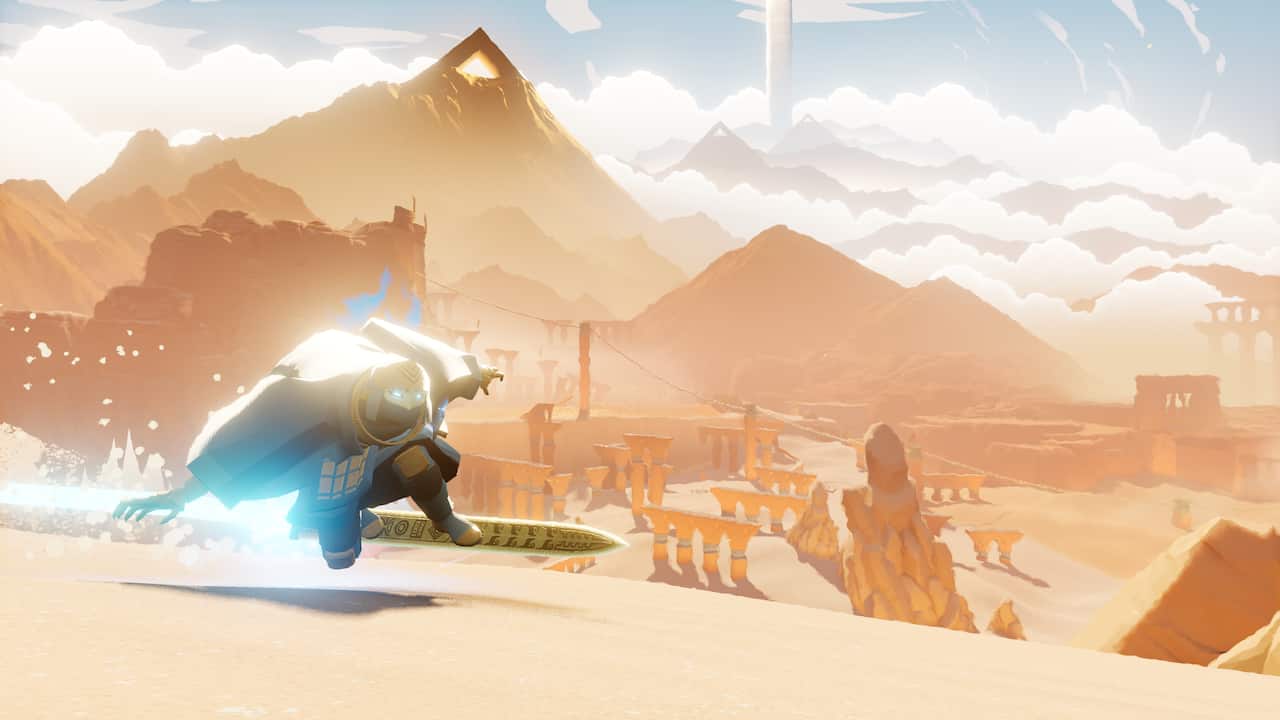
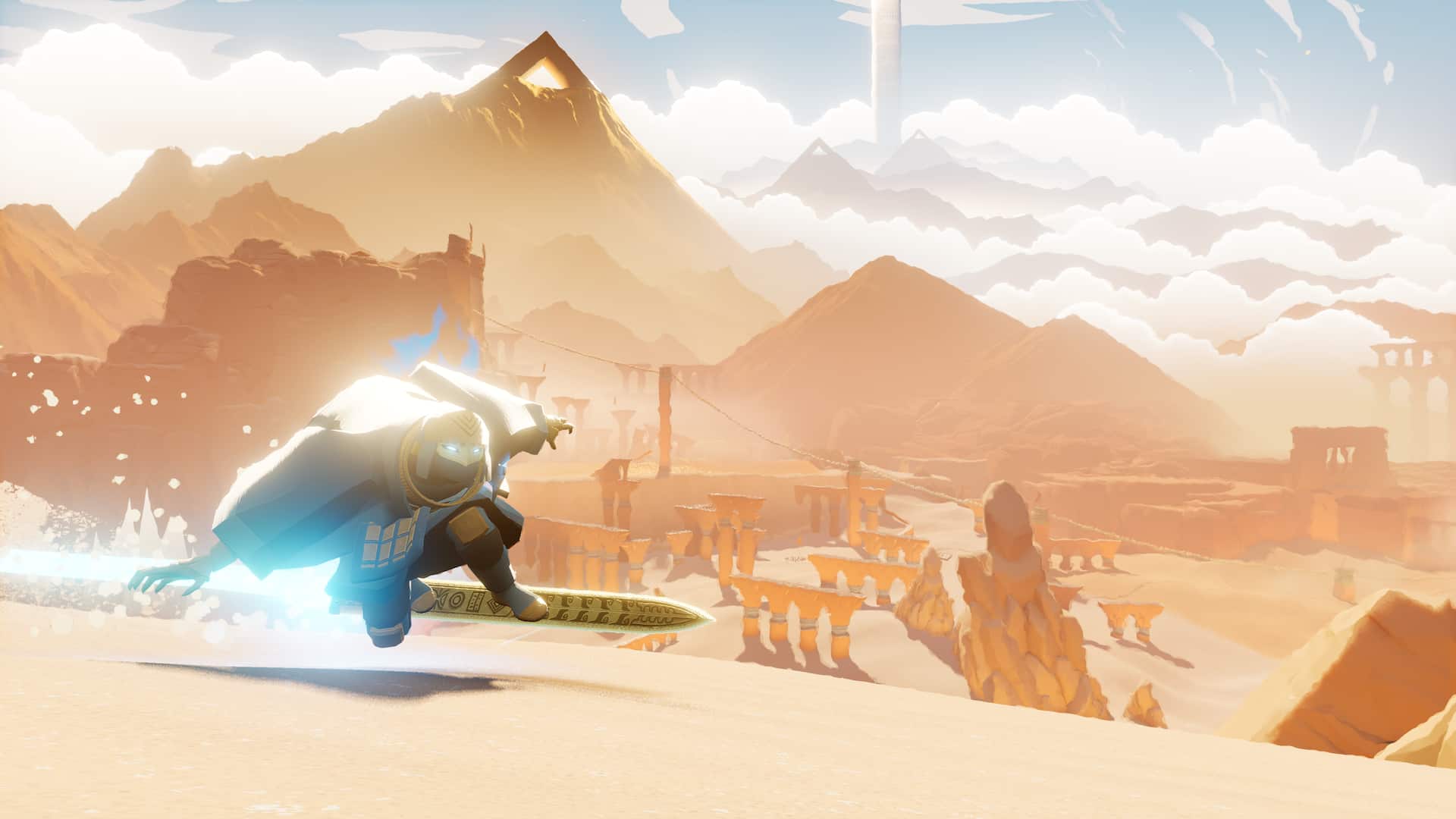
The game has players surfing rolling sand dunes and an aqua blue ocean on a sword as dynamic music by Austin Wintory plays in the background. At first blush, it comes off as very reminiscent of Journey, which is hardly surprising given that developer Giant Squid co-founder and creative director Matt Nava was art director at thatgamecompany during the creation of both Flower and Journey.
“The design is definitely extending the visual ideas I was exploring in Journey back when I art directed that game, and the movement is all about flow,” Nava said. “It’s somewhere between Abzu and The Pathless in terms of atmospheric feel.”
Nava describes Sword of the Sea as an atmospheric surfing adventure game. This meditative adventure is set for an August 19 release date.
“The surface-level premise is that it has surfing movement that’s inspired by the old snowboarding and skating games, but in the context of an exploration game rather than trying to accumulate a high score or go down the hill,” he said. “It’s extending the ideas from my previous work on Journey and Abzu but also The Pathless, which had this kind of movement where you get into a flow state.”
That flow state, Nava believes, is a big part of extreme sports; at some point, people who participate in those sports enter a sort of meditative state that blocks out everything but the "flow" of what they’re doing.
“They go out there and do this really dangerous thing because they want to feel that connection to nature and have a kind of magical experience with it,” he said. “That’s what we’re trying to do.”
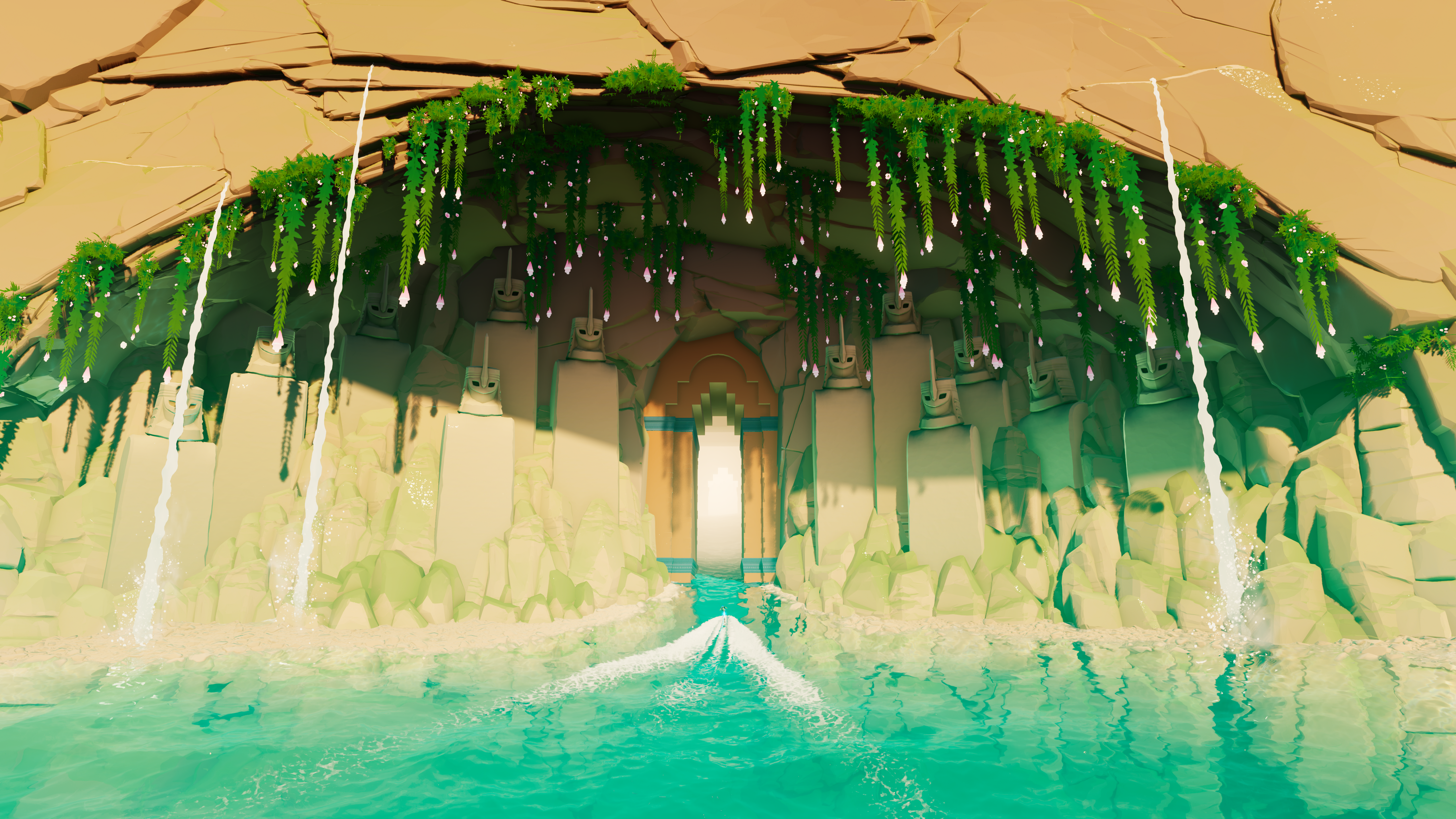
In Sword of the Sea, you wake up in a cave with a magical sword called the hover sword that acts a bit like a surfboard or a snowboard, and you have to discover how to use it.
Moving out into the dunes of sand while riding on the floating sword is an exhilarating moment in the game. The feel of slicing through the sand, both visually and haptically (thanks to the PS5 controller I was playing on), almost immediately draws you into a flow state. It’s hard to focus on any perceived goals as you carve your way through the undulating sand of the dunes.
While the gamescape looks like a desert with cliffs and mountains, it behaves more like an ocean, with the sand dunes constantly moving and your own movement through them leaving wakes and ripples of sand. Nava confirmed that the sand is always moving.
“It’s a crazy piece of tech that we wrote,” he said. “In most games, the terrain doesn’t animate, so it can be calculated once before the game is made, and the character can collide with it and it’s static. Whereas we have to update it every frame. The character has to collide with it and know about how it’s changing. The reason we did all of that is because we want to make it so that you know the moment-to-moment, as you surf, you’re thinking about how the waves are moving, so you can steer. It’s all very much affecting you as you make your way from point to point.”
It’s hard to overstate the almost immediate sense of zen you find as you sink into the game. There are no real objectives on the constantly moving surface—just waves to ride and lines to chase as you try to one-up yourself, or simply cut across the sand.
Eventually, I stumble upon a creature who rewards my discovery of some glowing shards with a new skill: the ability to grab my sword while I’m airborne to land some simple tricks. This can be done at the first jump when you initially launch from the sand or after a second pop of the jump button, which boosts you a bit higher.
To me, the game feels very much like surfing, but Nava says he was most inspired by snowboarding, which he personally does more of himself.
“There’s definitely a lot of 1080° Snowboarding inspiration here, but it really has inspirations from surfing and skateboarding as well,” he said. “We have skateboarding kind of tricks and this kind of connection with nature from surfing and the high speed of snowboarding.”
He points to a pose my character is in right now: leaning forward, gripping the board.
“This pose he’s in right now when he’s boosting around, that’s inspired by longboarding, specifically, it’s longboard skateboards, downhill longboarding.”
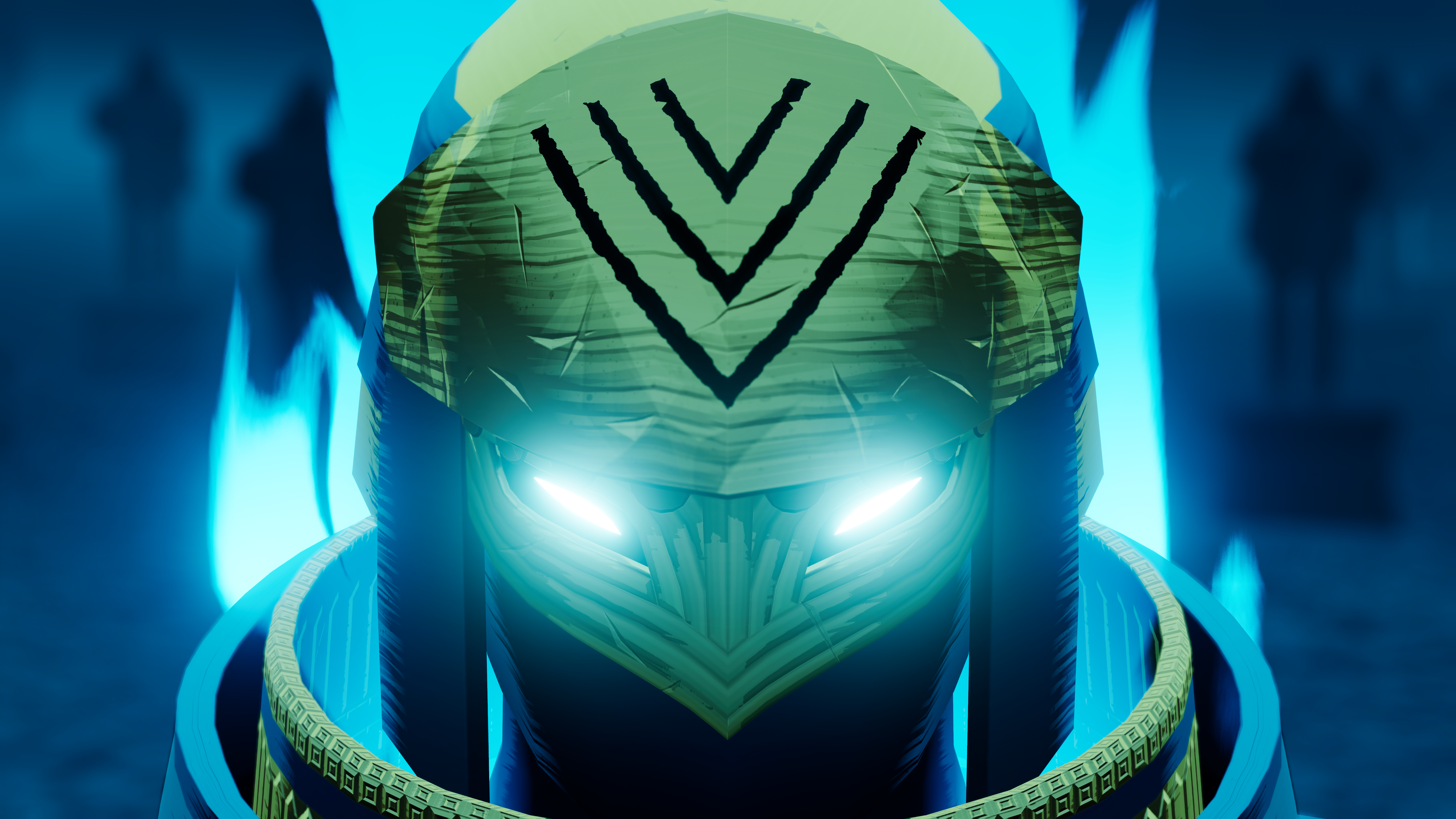
Why, then, make the object you’re riding not a board of some sort? Nava says that’s because there are significant moments in the game where you will be called upon to cut things. It also has to do with your character and his backstory, which you discover as you progress through the game,
While Sword of the Sea is light on visuals that push you in any one direction, there are structures in the sand that can lead you to new discoveries. Nava said the team designed the game in a way that players can be constantly surfing across secrets in the sand. The idea was to inspire players to explore the landscape.
As I continue to swoosh and zip around the sand, I stumble upon something called an ocean seed. When I slice it open with my sword, it releases an ocean—or at least part of one—on the sands around me. Soon, a section of the desert becomes a crystal blue sea.
There’s a noticeable difference as I drop down an ocean wave, cutting through the azure ripples of water around me. The movement feels different, the sound has shifted, and even the haptics have changed.
The team at Giant Squid spent a lot of time on those haptics, Nava said.
“One thing that’s really cool is with the PS5 controller you get that advanced haptic control, and we can do things that pan the vibration left and right on the controller as you turn left and right and change the frequency and the kind of texture of the vibrations when you cross from sand onto gravel and other surfaces,” he said. “It’s really a neat fit.”
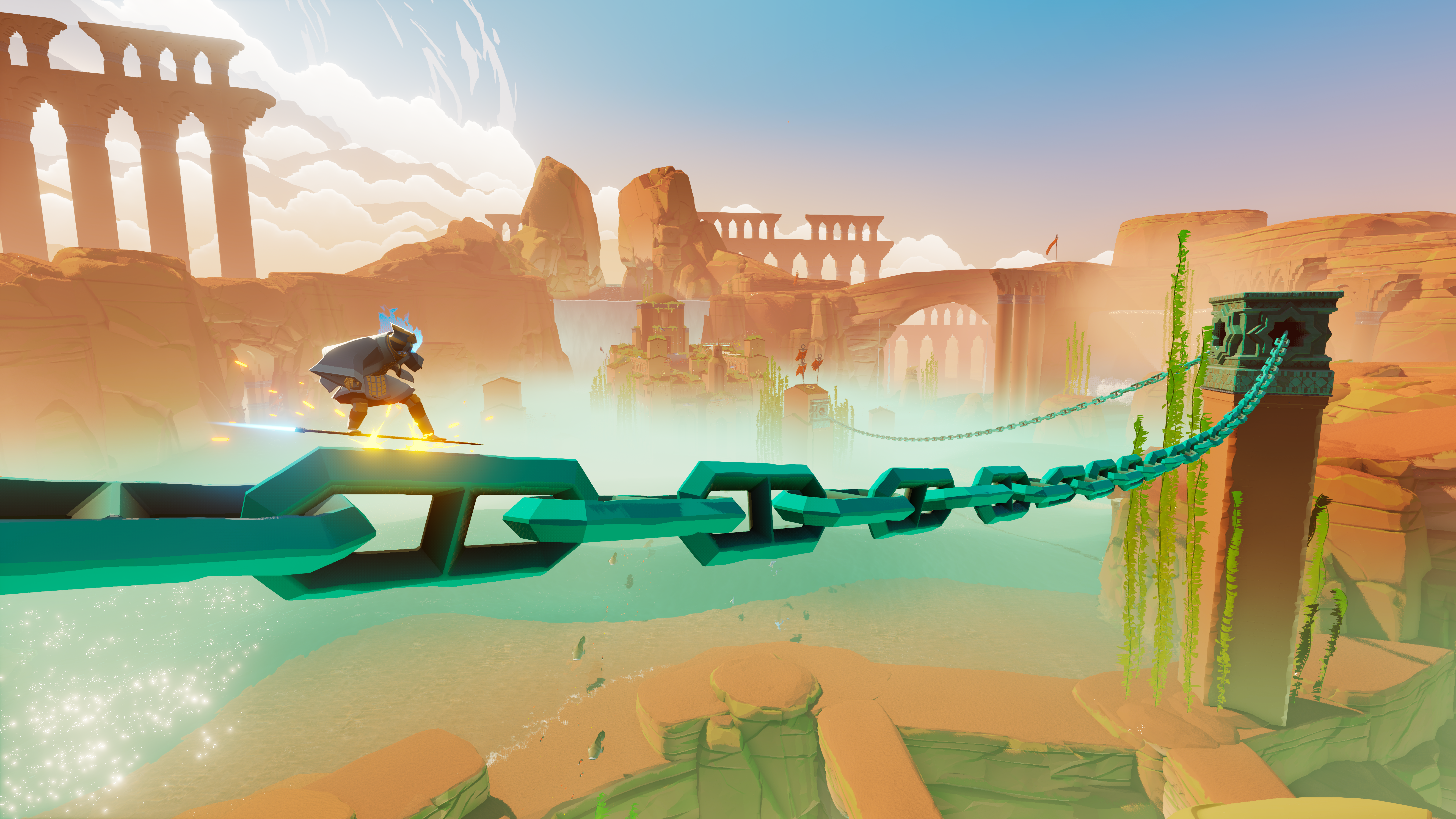
As we talk, I continue to zip around the landscape, slicing through sand and into water, popping off waves to twist in the sky while grabbing the sword with one hand. Eventually, I come across massive chains hoisted well above me that run between moss-covered concrete towers. They’re coated in sand, which Nava points out will prevent me from grinding along them—at least for now.
In other areas, kelp grows up along buildings from the recently released ocean. Holding the jump button allows me to float up the kelp to get to the roof of the single massive structure in the area. I skip across rooftops, eventually sliding my way to areas with new objects to collect. In the building is a massive half-pipe, and a challenge to use it to get to another section of the building. I slip up and down the sides of the wall, gaining speed and going higher and higher until I finally pop out onto a section with new things to discover.
Releasing another ocean seed later in the game creates a much larger, deeper waterway. Here, there are fish—dolphins swim alongside me as I surf down the roll of waves and shoot into the air. It’s easy to get lost in the moment and forget there is more to explore and do in the game.
I also figure out how to clear some of the chain from the sand coating it; I'm rewarded with the ability to grind across them, high above the mix of moving sand and water.
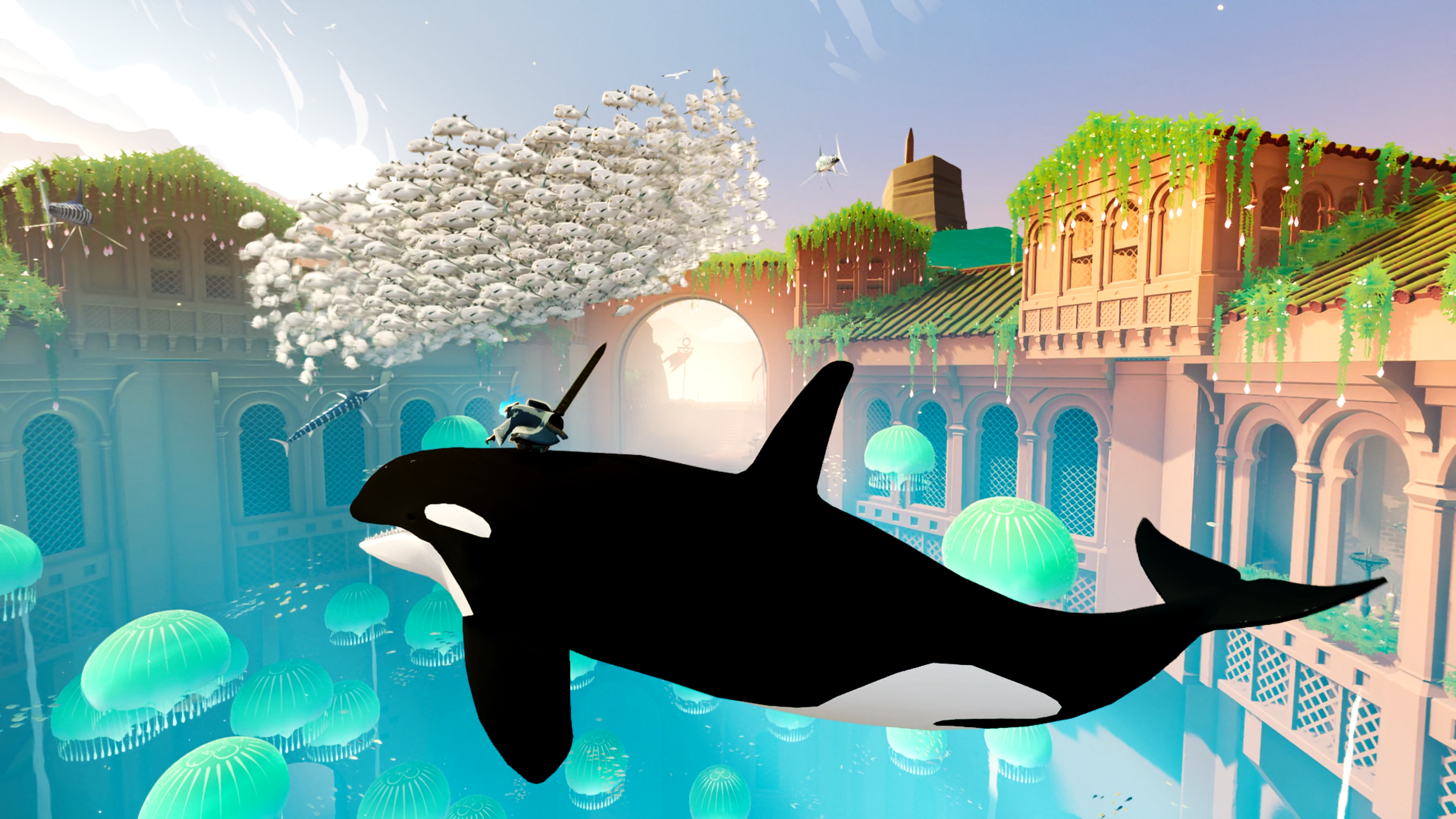
It’s easy to lose yourself in the motion of the game, to shoot across and around the desert and pocket oceans without thinking about what you have to do next, or where you should be. Nava says the team finds that happening to themselves all the time.
“You’ll go in to do some testing, and before you realize it, a half-hour will go by because you were just surfing,” he said.
The team has been working on the game for about four years, but they’re still not quite done. Nava said the expectation is that when it launches, it will be longer than Abzu was, but probably smaller than The Pathless.
“It’s probably going to take a couple of nights to get through the whole main story,” he said. “And we also have some really new game-plus mode stuff that lets you do a whole bunch more. It completely changes the nature of the game.”
Sword of the Sea releases on Epic Games Store on August 19. Wishlist it today!